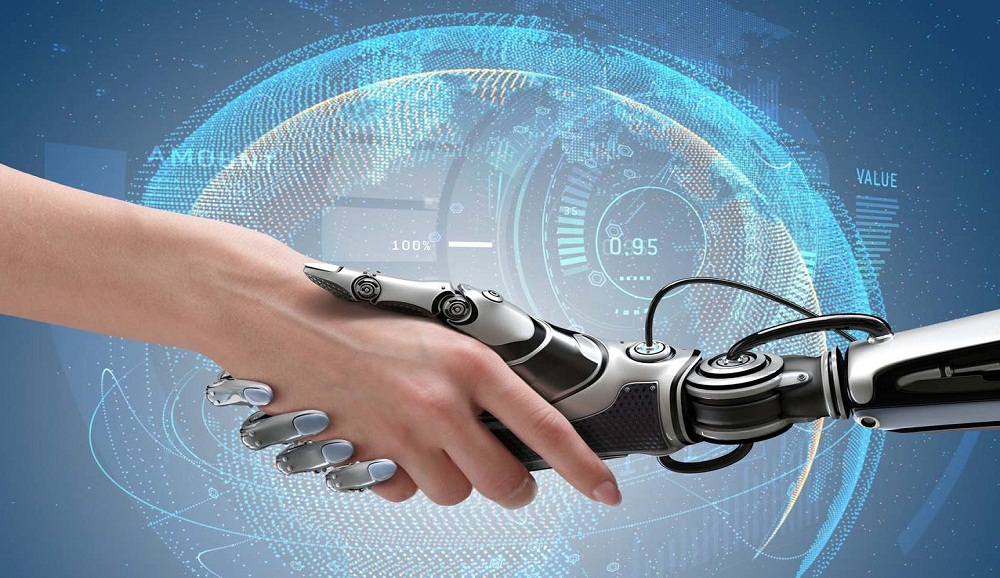
How Smart Home Devices are Transforming Everyday Life
The advent of smart home devices has revolutionized the way we interact with our living spaces, making everyday tasks simpler and more efficient. From smart thermostats that learn our heating preferences to intelligent lighting systems that can be controlled remotely, these devices are designed to enhance our comfort and convenience. Notably, products like the Amazon Echo and Google Nest have enabled voice-activated control, allowing users to manage various household functions seamlessly. As more people adopt these technologies, they contribute to a more connected and automated lifestyle, significantly improving energy efficiency and security.
Moreover, smart home devices are enhancing our overall quality of life by providing real-time data and insights. For instance, smart security cameras and alarm systems give homeowners peace of mind by enabling them to monitor their properties from anywhere. Additionally, smart kitchen appliances can simplify meal preparation, with features like recipe guidance and inventory tracking. As the Internet of Things (IoT) continues to expand, the integration of these devices into our daily routines becomes more prevalent, signaling a shift towards a smarter, more efficient way of living. This transformation is set to evolve further, promising even greater innovations in the near future.
Counter-Strike is a highly popular multiplayer first-person shooter game that has captivated gamers for years. Players join either the terrorist or counter-terrorist teams and engage in missions, including bomb defusal and hostage rescue. To stay competitive in gaming, it's important to have the right gear, including a good smartphone. For those looking for protection for their devices, check out the Top 10 iphone screen protectors to ensure your screen stays safe during intense gaming sessions.
The Role of AI in Modern Healthcare: Innovations You Should Know
The integration of AI into modern healthcare is transforming how medical professionals diagnose, treat, and manage patients. Innovations such as machine learning algorithms are enabling healthcare providers to analyze vast amounts of medical data quickly and accurately. For example, AI-driven tools can examine diagnostic images, such as X-rays and MRIs, to identify abnormalities that may be missed by the human eye. Additionally, predictive analytics powered by AI can forecast patient outcomes, thus allowing for personalized treatment plans and improved overall care.
Moreover, AI enhances operational efficiency within healthcare systems. The implementation of chatbots and virtual assistants streamlines patient communication, helping to schedule appointments and manage follow-up care efficiently. Furthermore, natural language processing is used to extract valuable insights from clinical notes and research papers, empowering physicians to stay updated on the latest medical advancements. As these AI innovations continue to evolve, their role in shaping the future of healthcare becomes increasingly critical, ensuring that patients receive timely and effective interventions.
Are Wearable Tech Gadgets the Future of Personal Health Monitoring?
As technology continues to advance, wearable tech gadgets are emerging as a vital component in the realm of personal health monitoring. These devices—ranging from smartwatches to fitness trackers—empower users to track vital health metrics such as heart rate, sleep quality, and physical activity levels. Wearable tech gadgets not only provide real-time data but also foster a proactive approach to health management. By identifying patterns and offering insights, these devices can help individuals make informed lifestyle choices, leading to better overall well-being.
The integration of wearable tech into everyday life is becoming increasingly prevalent, raising the question: Are they truly the future of personal health monitoring? The answer lies in their potential to revolutionize healthcare. According to recent studies, individuals who utilize wearable gadgets are more likely to engage in healthier behaviors. Additionally, these devices enable healthcare providers to monitor patients remotely, streamlining treatment plans and enhancing patient care. As technology evolves, we can expect wearable tech gadgets to play an even more significant role in shaping personalized health strategies.