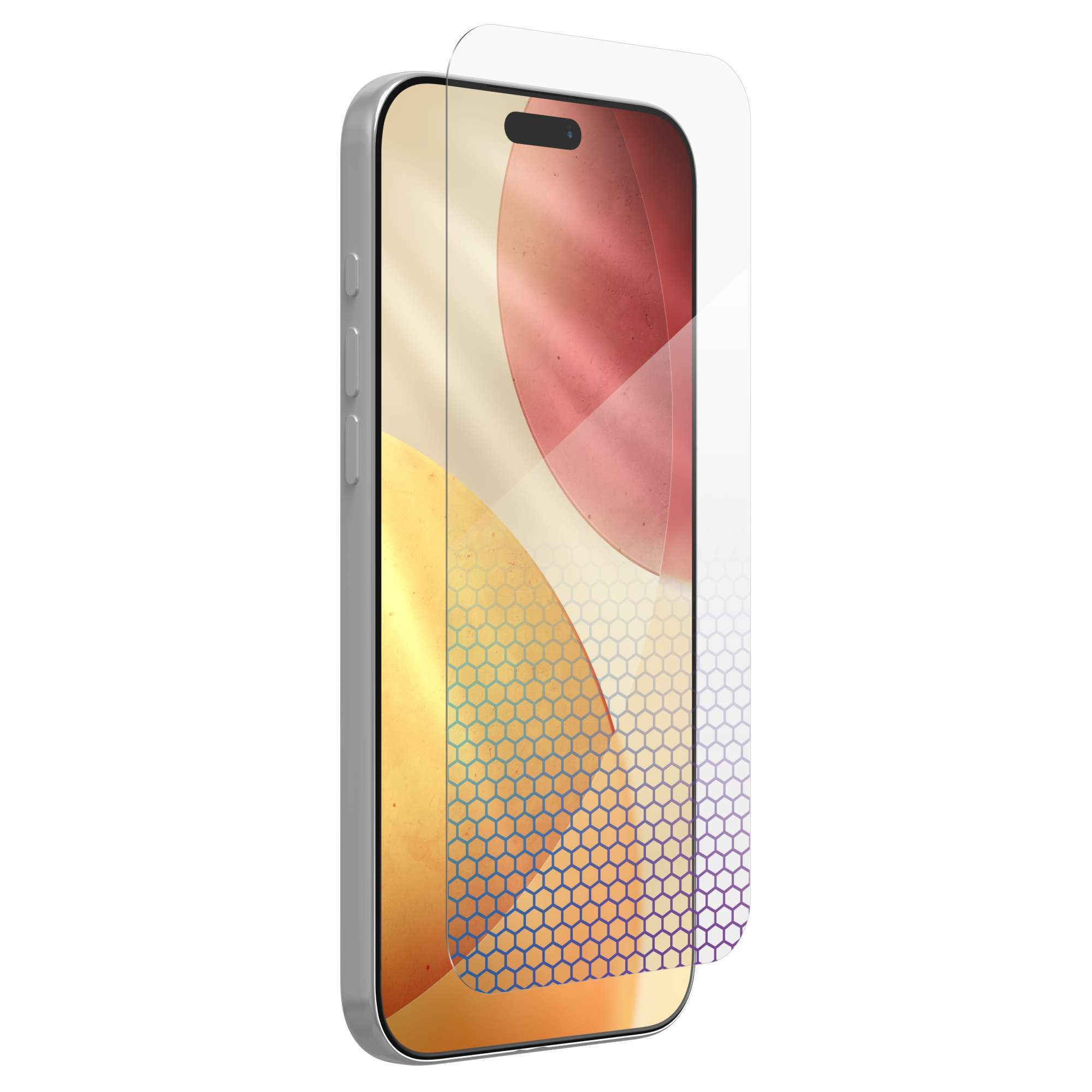
Why Every Device Needs a Screen Protector: Exploring the Benefits
In today's digital age, protecting your devices is more important than ever, and screen protectors play a crucial role in maintaining the longevity of your technology. Every time you use your smartphone, tablet, or laptop, you're exposing the screen to potential scratches, fingerprints, and even cracks. Investing in a quality screen protector can save you from costly repairs or replacements down the line. Additionally, many modern screen protectors offer added features, such as blue light filtering and anti-glare surfaces, making your device not only safer but also more enjoyable to use.
Beyond just physical protection, screen protectors can enhance your overall user experience. For instance, a good screen protector can improve touch sensitivity, helping you navigate your device with ease. Moreover, they can provide an extra layer of privacy by limiting the viewing angle, ensuring that your personal information remains confidential in public spaces. With these numerous benefits, it's clear that every device deserves the protection of a high-quality screen protector to maintain its functionality and aesthetic appeal.
Counter-Strike is a highly popular first-person shooter game that has been captivating players since its release. Gamers engage in team-based combat, where strategy, teamwork, and individual skill are crucial for victory. For those looking to enhance their gaming experience while protecting their devices, check out the Top 10 iphone privacy screen protectors to keep your phone secure and private.
The Different Types of Screen Protectors: Which One is Right for You?
When it comes to protecting your device's screen, understanding the different types of screen protectors available can make all the difference. The most common options include tempered glass, plastic film, and liquid screen protectors. Each type offers unique advantages and disadvantages. For instance, tempered glass is renowned for its exceptional durability and resistance to scratches, making it a popular choice for those who want maximum protection. On the other hand, plastic film screen protectors are typically thinner and more affordable, but they may not provide the same level of safeguard.
Selecting the right screen protector depends on your personal needs and lifestyle. If you lead an active life and frequently drop your phone, a tempered glass protector may be ideal due to its superior shatter resistance. Alternatively, if you prioritize a thinner profile and screen clarity, a plastic film might suit you better. Liquid screen protectors are another option worth considering, as they offer a unique way to safeguard your screen without adding bulk. Ultimately, evaluating the different types of screen protectors will help you choose the one that best fits your requirements.
How to Properly Apply and Maintain Your Screen Protector for Maximum Protection
Applying a screen protector correctly is crucial for ensuring maximum protection for your device. Start by gathering all necessary materials: a microfiber cloth, cleaning solution, and a dust removal sticker. Begin the application process in a dust-free environment to avoid any particles getting trapped under the protector. Follow these steps:
- Clean the Screen: Use the microfiber cloth and cleaning solution to thoroughly clean your device’s screen, removing fingerprints and dirt.
- Align the Protector: Carefully align the screen protector with the device, ensuring the cutouts for the camera and buttons match perfectly.
- Apply the Protector: Gently place the protector onto the screen, starting from one edge and slowly laying it down to prevent air bubbles.
- Smooth Out Air Bubbles: Use a credit card wrapped in a microfiber cloth to push out any air bubbles towards the edges.
Once your screen protector is applied, maintaining it is essential for long-lasting protection. Here are some tips for upkeep:
- Regular Cleaning: Clean the surface of the screen protector regularly using a microfiber cloth to avoid scratches and maintain clarity.
- Avoid Harsh Chemicals: Always use gentle cleaning solutions as harsh chemicals can damage the protector.
- Check for Damage: Periodically inspect your screen protector for cracks or chips and replace it if necessary to ensure ongoing maximum protection.