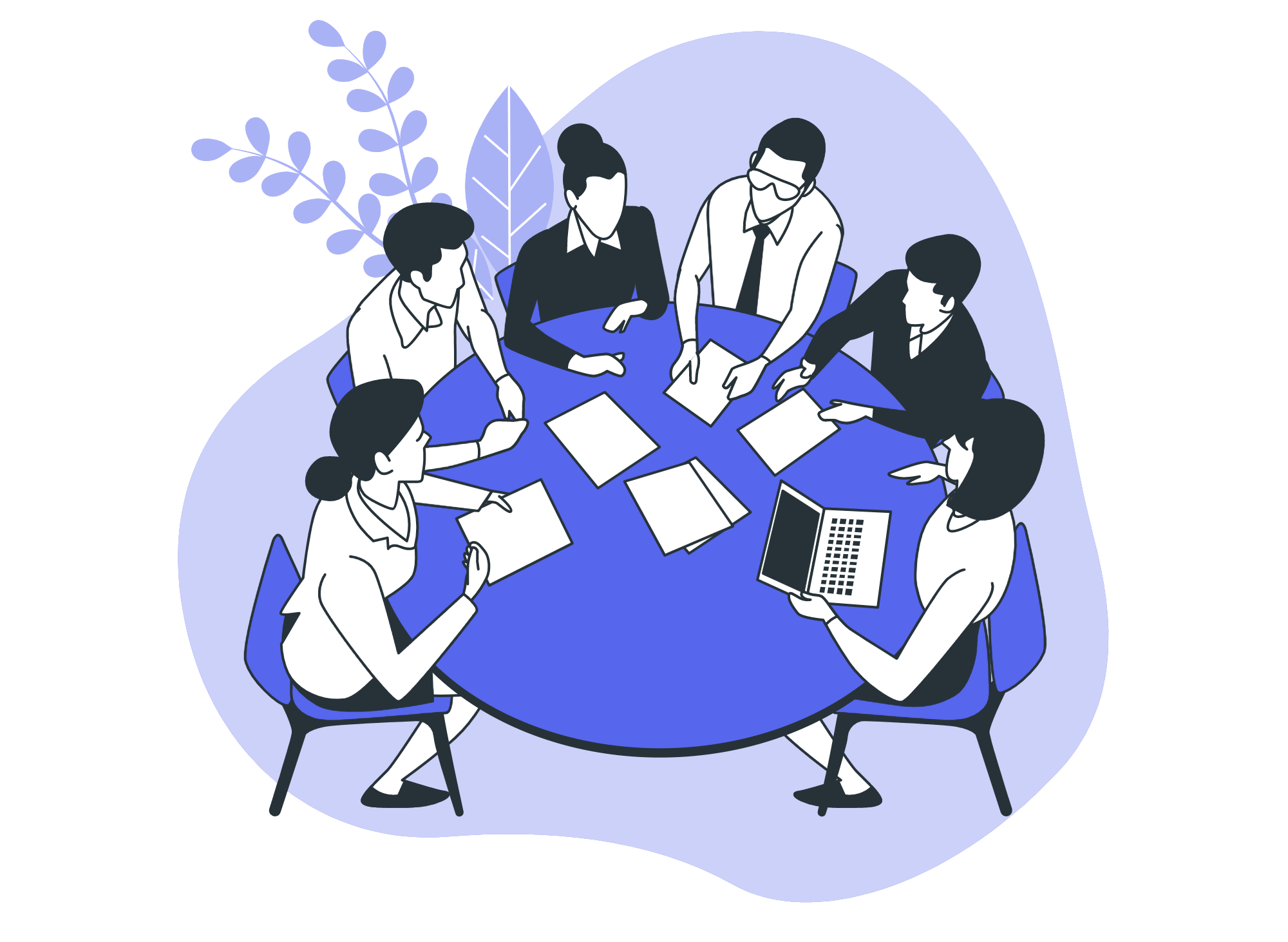
5 Strategies to Transform Meetings from Time-Sucks to Time-Savers
Meetings are often perceived as time-sucks, but with the right strategies, they can be transformed into valuable time-savers. Here are five effective methods to enhance your meeting productivity:
- Set Clear Objectives: Before scheduling a meeting, define its purpose and main objectives. This clarity helps participants understand what is expected, allowing for more focused discussions.
- Limit Attendees: Only invite individuals who are essential to the agenda. Too many participants can lead to distractions and inefficiency.
- Create an Agenda: Develop a structured agenda that outlines topics to be covered, time allocations, and allocated speakers. Share it in advance to ensure everyone is prepared.
Implementing these strategies can significantly improve meeting dynamics. Additionally, here are two more tips to further enhance your meetings:
- Utilize Technology: Leverage tools such as video conferencing, screen sharing, and collaborative documents to streamline communication and engagement.
- Encourage Participation: Foster an environment where all attendees feel comfortable sharing their thoughts. This can lead to richer discussions and more productive outcomes.
By applying these five strategies, you can shift the perception of meetings from time-sucks to effective time-savers.
Counter-Strike is a popular first-person shooter game that has captivated gamers worldwide since its release. Players join one of two teams, terrorists or counter-terrorists, and compete in various game modes that emphasize teamwork and strategy. Beyond gaming, for those who enjoy using their iPads during gaming sessions or meetings, you might want to explore the Top 10 iPad Accessories for Meetings to enhance your experience.
The Key Elements of a Productive Meeting: What You Need to Know
Effective meetings are essential for fostering collaboration and driving results within any organization. To ensure a productive meeting, it's crucial to establish clear objectives and an agenda that outlines the topics to be discussed. This not only keeps the meeting focused but also helps participants prepare in advance. Here are some key elements that contribute to a successful meeting:
- Defined Purpose: Every meeting should have a clear reason for being held.
- Participant Preparation: Attendees should come prepared with relevant information.
- Time Management: Start and end on time to respect everyone’s schedule.
A productive meeting also encourages engagement from all participants. Use techniques such as asking questions or incorporating interactive elements to maintain interest. Furthermore, it's essential to assign specific roles during the meeting, such as a facilitator to guide the discussion and a note-taker to capture important points. After the meeting, distributing meeting minutes can ensure that everyone is on the same page regarding the decisions made and the next steps that need to be taken. By focusing on these key elements, you can significantly enhance the productivity of your meetings.
Are Your Meetings Really Necessary? Questions to Evaluate Their Value
In today's fast-paced work environment, it’s essential to ask: Are your meetings really necessary? Before scheduling a meeting, consider its purpose and the potential outcomes. A good starting point is to evaluate the agenda. Does it have a clear goal that can’t be achieved through email or a quick call? Asking yourself these questions can help you determine if a meeting is warranted:
- What is the main objective of this meeting?
- Who truly needs to be present?
- Can the same information be shared effectively without a meeting?
Meetings can consume valuable time, so it’s crucial to ensure their necessity. Reflect on past meetings: were the discussions fruitful, or did they veer off-topic? Engaging all participants is essential; if attendees leave feeling uninspired, it may indicate that the meeting wasn’t valuable. Regularly assessing the value of your meetings can lead to better time management and improved productivity for your team.