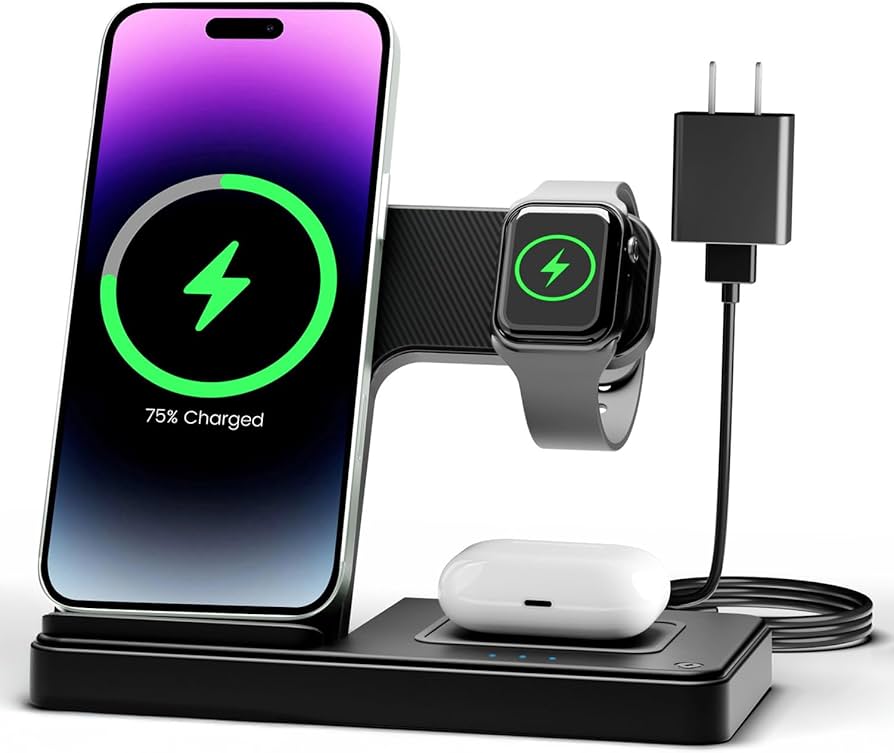
Understanding the Most Common Charging Issues: Why Your Devices Won't Power Up
In today's tech-driven world, experiencing charging issues can be frustrating and puzzling. One of the most common reasons why devices won't power up is faulty charging cables. Over time, cables can wear down due to constant bending, twisting, or simply age, leading to interrupted power flow. Additionally, damaged charging ports can prevent devices from charging effectively. These ports are often subject to dirt and debris accumulation, which can interfere with the connection between the device and the charger.
Another critical factor could be the power source itself. Sometimes, the wall outlet you are using may not be functioning properly or may require maintenance. Also, using an incompatible or low-quality charger can result in inadequate power supply, making it difficult for your device to charge and ultimately causing it to not power up at all. Always ensure that you are using the manufacturer-recommended charger to avoid these common issues.
Counter-Strike is a popular first-person shooter game that pits teams of terrorists against counter-terrorists in various strategic missions. Players can choose from a variety of weapons and tactics to achieve their objectives, making teamwork and communication essential. For more gear to enhance your gaming experience, check out the Top 10 Google Pixel Accessories that can elevate your mobile gaming capabilities.
Is Your Charger the Culprit? Diagnosing Charging Problems in Your Devices
When your device fails to charge properly, it's easy to assume that the problem lies within the device itself. However, charging problems often stem from issues related to the charger. Start by examining your charger and its components. Look for any visible signs of damage on the cable, such as fraying or exposed wires. Additionally, check the power adapter for any cracks or discolouration. If you notice any damage, it might be time to replace your charger. Also, make sure that the charging port on both your device and the charger are clean and free of debris, as dirt can impede the connection.
Next, try using a different charger or power source to isolate the issue. If your device charges normally with an alternate charger, you've likely found the culprit. However, if the problem persists, the issue could be with the device itself. In such cases, consider checking software updates or resetting your device's settings, as outdated software can also lead to charging problems. Always ensure that you’re using the correct charger for your specific device to avoid potential mishaps. Remember, thorough diagnostics can save you time and money, making sure you pinpoint the right cause effectively.
Battery Health Explained: What to Do When Your Device Refuses to Charge
Battery health is crucial for the performance of your devices, especially smartphones and laptops. Over time, batteries naturally degrade due to a variety of factors including charge cycles, temperature, and age. When a device refuses to charge, it can be a frustrating experience. Common symptoms include the battery not holding a charge, slow charging rates, or the device not recognizing the charger at all. Understanding these issues can help you determine whether it's a simple fix or if it's time to consider battery replacement.
If your device is showing signs of battery failure, there are a few steps you can take before seeking professional help. First, try using a different charger or cable to eliminate the possibility of a faulty accessory. If that doesn’t work, perform a soft reset of your device, as this can often resolve temporary software glitches. Lastly, ensure that your charging port is clean and free from debris. If these solutions fail, it's advisable to consult a technician to assess the battery health further and discuss whether a replacement is necessary.