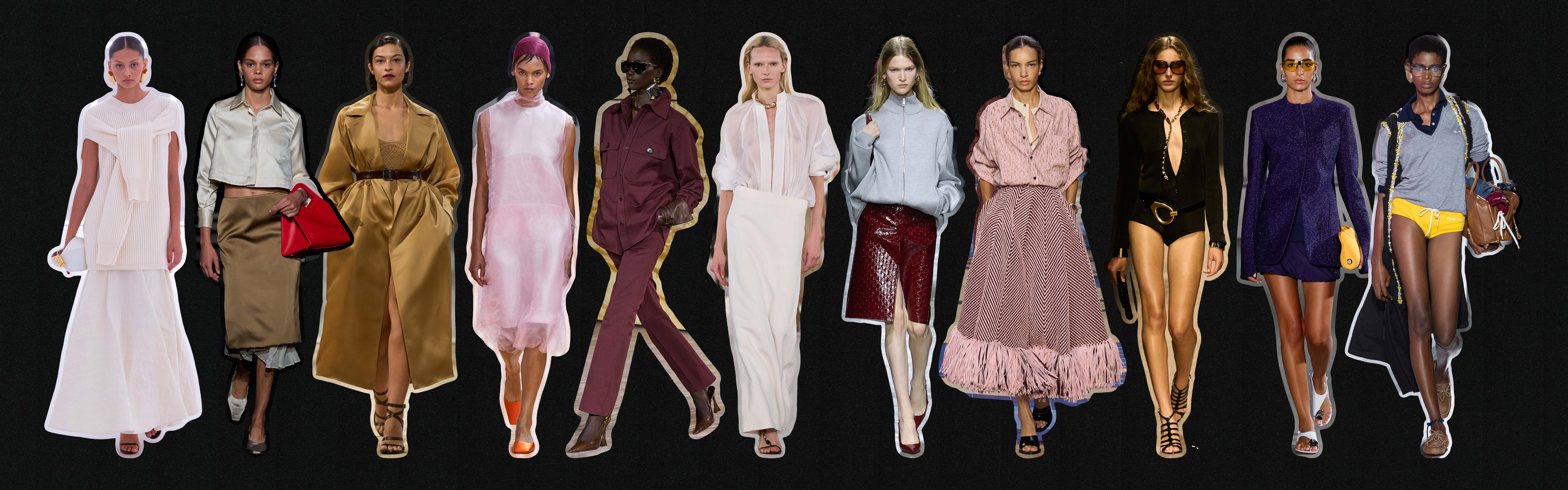
The Psychology Behind Fashion Timing: Why It's OK to Wait
The world of fashion is often perceived as fast-paced and ever-changing, with trends cycling through seasons at an alarming rate. However, understanding the psychology behind fashion timing reveals that waiting can be a more strategic choice. By resisting the urge to immediately adopt every new trend, individuals can cultivate a unique style that reflects their personality and values. This approach not only fosters creativity but also aligns with the psychological principle of delayed gratification, wherein the anticipation of an item enhances its value and desirability.
Moreover, waiting to embrace a trend can lead to more sustainable fashion choices. Fast fashion encourages a disposable mindset, but taking the time to consider whether a trend aligns with your wardrobe and lifestyle promotes a more thoughtful consumption approach. In many cases, styles that stand the test of time are more worth investing in. By prioritizing quality over quantity, consumers can build a cohesive wardrobe that minimizes waste and maximizes personal expression. Therefore, embracing the concept of waiting in fashion can significantly lift both personal satisfaction and environmental responsibility.
Counter-Strike is a popular first-person shooter game that has captivated gamers worldwide since its release. In this competitive multiplayer arena, players can choose to be either terrorists or counter-terrorists, each with distinct objectives. If you're looking to enhance your gaming experience, check out the Top 10 airtag wallets that can help you keep track of your valuables during intense gaming sessions.
How to Embrace Trends at Your Own Pace Without FOMO
In a fast-paced world filled with ever-changing trends, it's easy to succumb to FOMO (Fear of Missing Out). However, embracing trends at your own pace allows you to engage with what truly resonates with you. Start by identifying the trends that genuinely interest you rather than following the crowd. You can create a simple list of trending topics in your niche and pick one or two that spark your enthusiasm. Focus on quality over quantity; ensure each trend you decide to explore aligns with your personal brand and values, allowing you to curate content that is authentic and relatable.
Another effective way to embrace trends without falling victim to FOMO is to set realistic goals for yourself. Rather than chasing every new fad, prioritize your pursuits with an organized approach. Consider dedicating a specific time each week to research emerging trends and analyze their potential value. By establishing a structured routine, you can incorporate trends into your blog gradually, giving yourself the space and freedom to express your unique perspective. Remember, it’s perfectly okay to take your time – after all, meaningful engagement supersedes immediate relevance.
Is Being Fashionably Late the New Trendsetting?
In today's fast-paced world, the saying 'fashionably late' has evolved beyond mere social etiquette to become a statement of style and individuality. Many trendsetters are now embracing the idea that arriving late can set them apart from the crowd, suggesting that one's presence is so valuable that it should be savored. This shift raises questions about the significance of punctuality in social events and whether showing up late can actually enhance one's personal brand. More than just a casual trend, being late is now seen as a calculated choice that embodies confidence and flair.
With the rise of social media influencers and the curated nature of digital personas, many people are beginning to follow suit, adopting fashionably late as a badge of honor. This trend is not just limited to parties and events; it extends to various facets of life, from business meetings to casual gatherings. As the line between professional and personal life blurs, the late arrival trend highlights the importance of self-expression, ultimately reshaping societal norms. Is it time for everyone to reconsider punctuality in favor of making a memorable entrance?