Exploring Nature's Durable Alternatives to Plastic
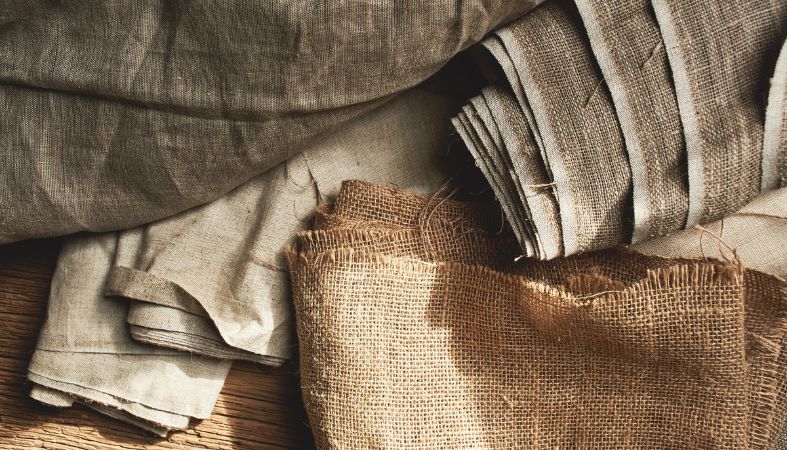
In an era dominated by plastic consumption, nature's durable alternatives are gaining traction as a viable solution to reduce our environmental footprint. These alternatives, such as bamboo, hemp, and cork, are not only sustainable but also biodegradable, making them an eco-friendly choice for consumers. Bamboo, for instance, grows rapidly and requires little water, making it an excellent resource for products ranging from utensils to furniture. Additionally, hemp is known for its strong fibers and versatility, offering a renewable alternative for textiles, paper, and even biodegradable plastics.
Another promising alternative is mycelium, the root structure of mushrooms, which can be used to create packaging and even construction materials. With innovations in bioproducts, many companies are now investing in natural materials that not only meet consumer needs but also help combat pollution. By making conscious choices and opting for nature's durable alternatives, we can collectively take a significant step toward a sustainable future. Embracing these materials can lead to a ripple effect, inspiring more individuals and businesses to prioritize eco-friendly practices.
Counter-Strike is a popular first-person shooter game that has gained immense popularity since its initial release in 1999. The game is known for its team-based gameplay where players can choose to be either terrorists or counter-terrorists. Players strategize and work together to complete objectives, such as planting or defusing bombs. For those interested in tech gadgets, check out this link: Top 10 MagSafe Wallets with Finger Loops, which provides a list of handy accessories that pair well with modern smartphones.
10 Amazing Natural Materials That Outlast Plastic
As the world increasingly turns its focus to sustainability, the exploration of natural materials that outlast plastic is gaining significant traction. Among the most notable materials are bamboo, a rapidly renewable resource known for its durability and flexibility, and hemp, which produces a strong fiber that can outlast conventional plastics when used in textiles and construction. Additionally, cork, harvested from the bark of cork oak trees, not only has a long lifespan but also offers excellent insulation properties. These materials not only provide an eco-friendly alternative but also demonstrate the incredible potential of nature in creating sustainable solutions.
Other remarkable natural substances include mycelium, the root structure of fungi, which can be cultivated to create biodegradable packaging options and construction materials that decompose naturally. Wood, especially when sourced sustainably, is another fantastic alternative; its longevity and renewability make it a staple for everything from furniture to building materials. Furthermore, bioplastics derived from plant sources like corn or sugarcane show promising results in competing with traditional plastics while being biodegradable. The shift towards these amazing natural materials is not only beneficial for our planet but also encourages a more conscious approach to consumption and waste management.
How Can We Replace Plastic with Nature's Bounty?
The urgent need to reduce our reliance on plastic has brought the concept of replacing it with nature's bounty into sharper focus. One of the most promising alternatives is biodegradable materials derived from plants, such as corn starch, bamboo, and hemp. These materials not only break down more quickly than traditional plastics but are also renewable and often compostable. With advancements in technology, we can harness the power of these resources to create packaging, utensils, and other everyday items that minimize environmental harm. By implementing these solutions, we can significantly lower the plastic footprint in our communities.
Further exploring nature's bounty, we find that various agricultural byproducts can serve as excellent substitutes for plastic. For instance, mushroom mycelium is being used to create sustainable packaging that is both biodegradable and versatile. Similarly, materials like palm leaves and sugarcane pulp are being innovatively transformed into functional items. However, transitioning completely from plastic to these alternatives requires collective action—from consumers opting for eco-friendly products to manufacturers investing in sustainable practices. By working together, we can pave the way for a greener planet and a healthier future.