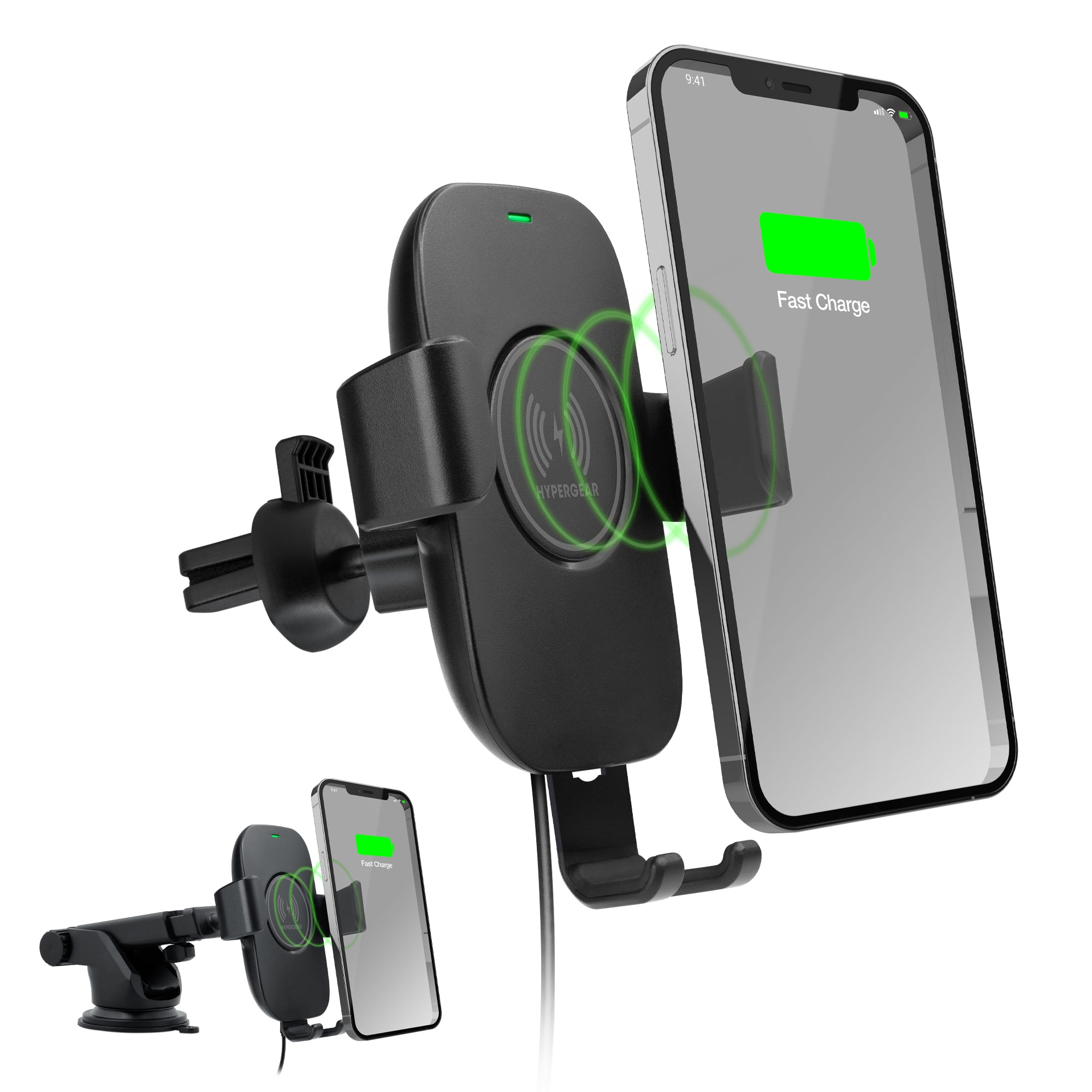
The Science Behind Quick Charging: How Does It Work?
The science behind quick charging lies in understanding the fundamental principles of electricity and battery chemistry. Unlike traditional charging methods that gradually increase the voltage, quick charging utilizes higher voltage levels, allowing for significantly more power to flow into a device's battery in a shorter period of time. This method requires a compatible charger and battery that can manage the increased voltage. When you plug in your device, specialized charging protocols communicate between the charger and battery, optimizing the charging process based on the device's current state and temperature.
The quick charging process often employs various techniques such as Voltage Regulation, Current Regulation, and sometimes even Temperature Control. For instance, fast charging protocols like Qualcomm's Quick Charge and USB Power Delivery adjust the voltage and current dynamically to maximize charging efficiency while preventing overheating. As a result, users can enjoy significantly enhanced charging speeds, often able to replenish a large percentage of their battery in just thirty minutes or less—all while maintaining battery health through carefully monitored charging practices.
Counter-Strike is a legendary first-person shooter that has captivated gamers for decades. Known for its tactical gameplay and team-based strategies, it pits terrorists against counter-terrorists in fast-paced matches. As players engage in intense firefights and complete objectives, they often look for ways to enhance their gaming experience, much like finding the Top 10 fast chargers for iPhone for quick device recharges during long gaming sessions.
Top 5 Quick Charging Technologies You Need to Know About
In today's fast-paced world, quick charging technologies have become an essential feature for our devices, ensuring we stay connected without the hassle of long charging times. Here are the Top 5 Quick Charging Technologies you need to know about:
- Qualcomm Quick Charge: This technology optimizes the charging process by adjusting voltage levels, significantly reducing charge times.
- USB Power Delivery: Utilizing a standard USB-C connection, this method supports higher power levels, allowing for faster charging across devices.
- Samsung Adaptive Fast Charging: This proprietary technology from Samsung analyzes battery levels and adjusts the current to achieve an efficient charge.
- OnePlus Dash Charge: Known for its ability to charge devices quickly without overheating, Dash Charge is a game changer for OnePlus users.
- Apple Fast Charging: By employing a USB-C to Lightning cable, Apple devices can achieve up to 50% charge in just 30 minutes.
Is Quick Charging Safe for Your Devices? Common Myths Debunked
When it comes to quick charging, numerous myths often cloud the conversation about its safety for devices. One prevalent myth is that using a quick charger can permanently damage your smartphone or tablet's battery. In reality, most modern devices are equipped with advanced battery management systems that prevent overstressing the battery. These systems regulate power intake and temperature, ensuring that the device only receives the power it can safely handle. Therefore, when using a certified quick charger, you are unlikely to encounter any significant harm to your device.
Another common misconception is that quick charging leads to overheating, which can adversely affect your device. However, manufacturers have designed quick charging circuits with proper heat dissipation techniques. While it’s normal for your device to get warm during charging, overheating is a rare occurrence when following manufacturer guidelines. To further ease concerns, using your device while charging is usually safe, but be mindful as multitasking can generate additional heat. By understanding these facts, you can confidently embrace quick charging technology without compromising safety.