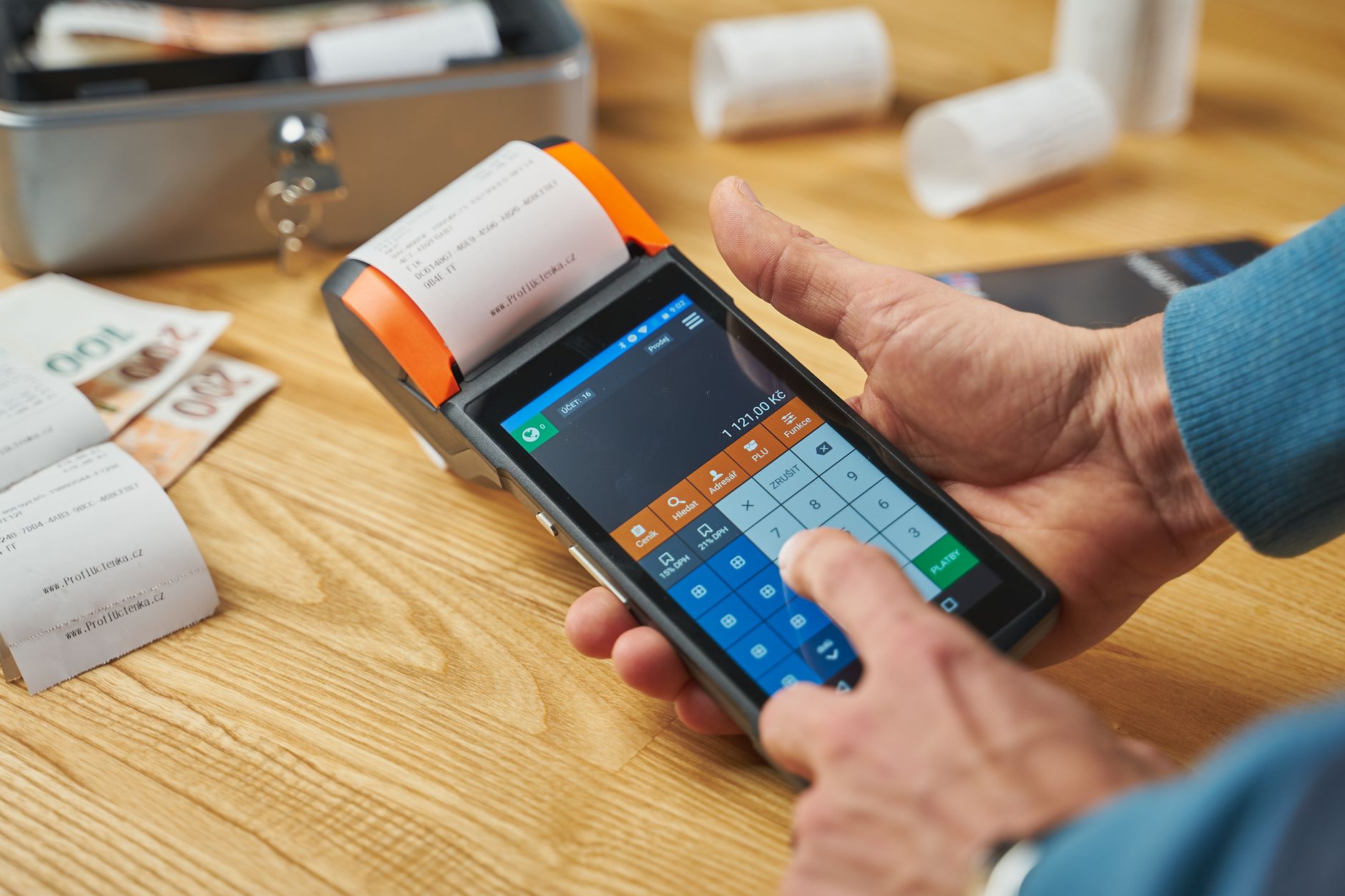
Understanding E-Invoicing for Hospitals: Simplified Explanations & Key Benefits (What it is & Why it Matters)
E-invoicing, at its core, revolutionizes how hospitals manage their financial transactions by replacing traditional paper-based invoices with standardized digital documents. This isn't just about sending PDFs via email; it involves a structured, machine-readable format that allows for seamless exchange and processing between different systems. Think of it as a universal language for invoices, enabling direct communication between a supplier's accounting software and a hospital's ERP system. This fundamental shift eliminates manual data entry, reducing the potential for human error and accelerating the entire procure-to-pay cycle. Understanding this digital backbone is crucial for hospitals looking to modernize their operations and comply with emerging regulatory trends.
The significance of e-invoicing for hospitals extends far beyond mere digitization; it's a strategic move towards operational excellence and financial health. Key benefits include a significant reduction in processing costs, thanks to automation and fewer manual interventions. Furthermore, it dramatically improves data accuracy and integrity, leading to
E-invoicing for hospitals streamlines the billing process, reducing administrative burden and improving efficiency. By automating invoice generation and delivery, hospitals can ensure timely payments and better manage their finances. This digital transformation offers numerous benefits, from cost savings to enhanced data security, ultimately leading to a more efficient and patient-focused healthcare system. Learn more about e-invoicing for hospitals and how it can revolutionize your billing operations.
Your Hospital's E-Invoicing Journey: Practical Steps, Common Challenges, & Expert Answers (How-to Guide & FAQs)
Embarking on an e-invoicing transformation at your hospital can feel like navigating a complex medical procedure – essential, but with many variables. This guide aims to demystify the process, offering a practical roadmap from initial planning to successful implementation. We'll delve into the critical first steps, such as assessing your current invoicing infrastructure and identifying key stakeholders across departments like finance, IT, and procurement. Understanding the various e-invoicing models – from direct integration to network-based solutions – will be crucial, and we'll provide insights into selecting the best fit for your hospital's unique needs and existing ERP systems. Prepare to streamline your accounts payable and receivable, reduce manual errors, and unlock significant cost savings with a well-executed e-invoicing strategy.
While the benefits of e-invoicing are undeniable, hospitals often encounter specific challenges that require proactive solutions. Common hurdles include initial resistance to change from staff accustomed to traditional paper-based methods, ensuring compliance with evolving regulatory frameworks (especially concerning data privacy and security), and integrating new e-invoicing systems with legacy hospital information systems. This section addresses these and other potential roadblocks head-on, offering expert answers and actionable strategies. We'll explore:
- Effective communication plans to foster staff buy-in
- Best practices for data security and regulatory compliance
- Strategies for seamless integration with existing IT infrastructure