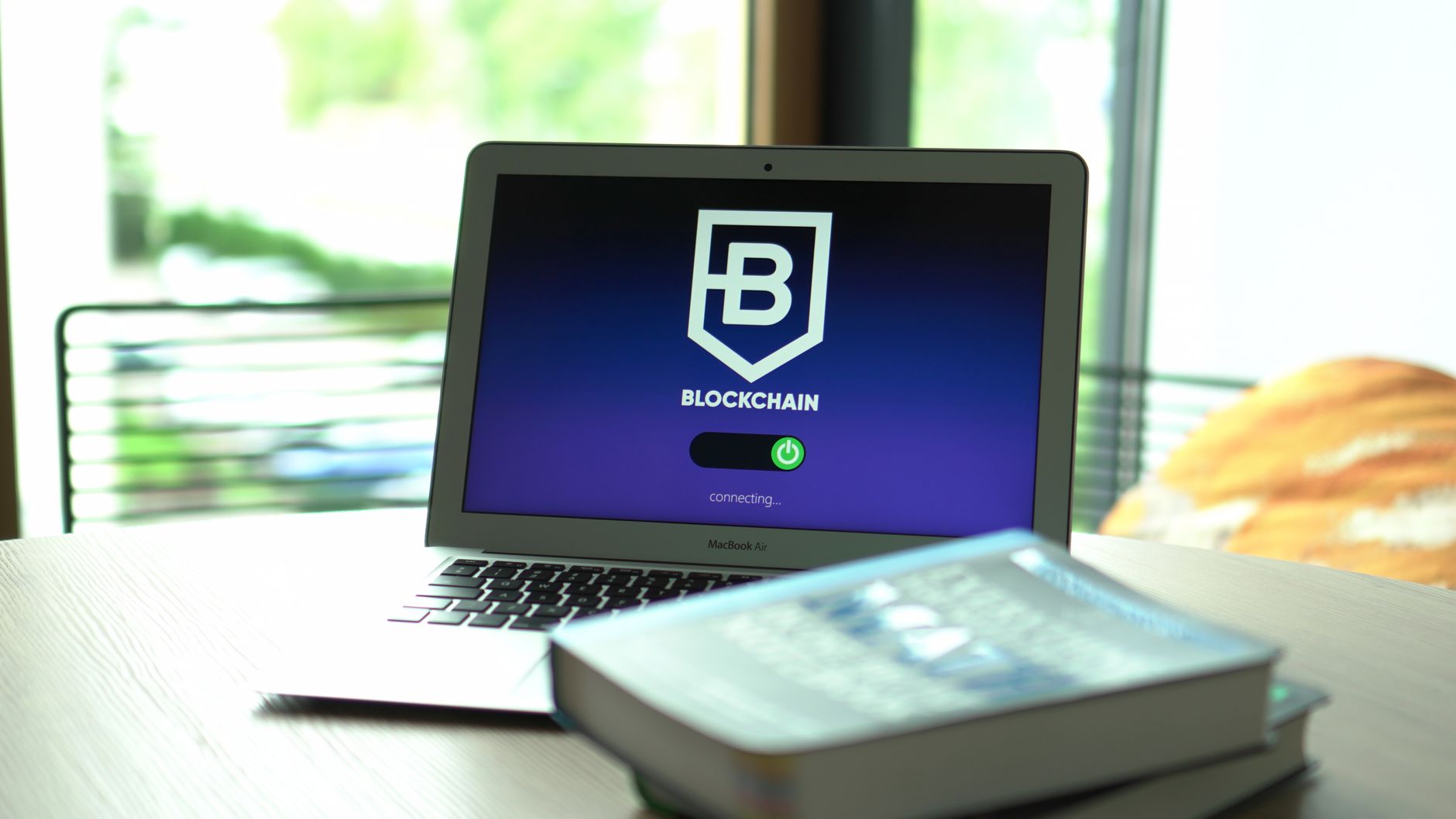
Demystifying Blockchain: How it Guarantees Fairness & What to Look For
At its core, blockchain technology guarantees fairness through its revolutionary decentralized and immutable ledger system. Unlike traditional databases controlled by a single entity, a blockchain is a distributed network where every participant holds a copy of the entire transaction history. This fundamental design means no single party can unilaterally alter or delete records without the consensus of the network, making it incredibly difficult to commit fraud or manipulate data. This transparency and resistance to tampering are achieved through cryptographic hashing and a consensus mechanism, ensuring that once a transaction is recorded, it's there forever. This inherent immutability is a cornerstone of its fairness, as it creates an audit trail that is transparent and verifiable by all participants.
When evaluating a blockchain's claim to fairness, several key characteristics are paramount to scrutinize. Firstly, examine its consensus mechanism – is it truly decentralized, or are a few powerful entities controlling the validation process? Look for systems that promote broad participation and discourage centralization. Secondly, consider the level of transparency; can all transactions be publicly audited, even if anonymized? A truly fair blockchain will offer this level of visibility. Finally, investigate the security protocols. Strong cryptography and robust defense against attacks are crucial to maintaining the integrity and fairness of the ledger over time. Ultimately, a fair blockchain will exhibit a balance of decentralization, transparency, and security, making it a trustworthy platform for various applications.
Online crypto casinos offer a thrilling and anonymous way to gamble, utilizing various cryptocurrencies for deposits and withdrawals. These platforms provide a wide array of games, from slots and table games to live dealer experiences, all accessible from the comfort of your home. If you're looking for an exciting and secure gaming experience, an online crypto casino could be the perfect choice for you, combining the thrill of traditional casinos with the benefits of blockchain technology.
From Smart Contracts to Safer Bets: Your FAQs on Blockchain Gambling Answered
Navigating the exciting, yet sometimes complex, world of blockchain gambling can bring up a lot of questions. One of the most frequently asked revolves around the verifiability and fairness of games. Unlike traditional online casinos that operate on centralized servers, blockchain-based platforms leverage cryptographic principles and smart contracts to ensure transparency. This means that the outcomes of games, from dice rolls to card shuffles, are often recorded on an immutable ledger, accessible for anyone to audit. Furthermore, the use of provably fair algorithms allows players to independently verify the randomness and integrity of each game round, significantly reducing concerns about manipulation. This inherent transparency is a cornerstone of blockchain gambling, offering a level of trust unprecedented in conventional online gaming.
Another common area of inquiry concerns the security of funds and personal data when engaging with blockchain gambling sites. Due to the decentralized nature of cryptocurrencies, transactions are processed and secured by a network of computers rather than a single entity, making them far more resilient to hacking attempts than traditional payment methods. When it comes to personal data, many blockchain casinos prioritize privacy, often requiring minimal personal information for account creation. Players typically interact using cryptocurrency wallets, which further obfuscates their identity compared to providing bank details or credit card information. However, it's still crucial to choose reputable platforms and understand the specific security protocols each one employs to safeguard your assets and ensure a truly secure and enjoyable betting experience.