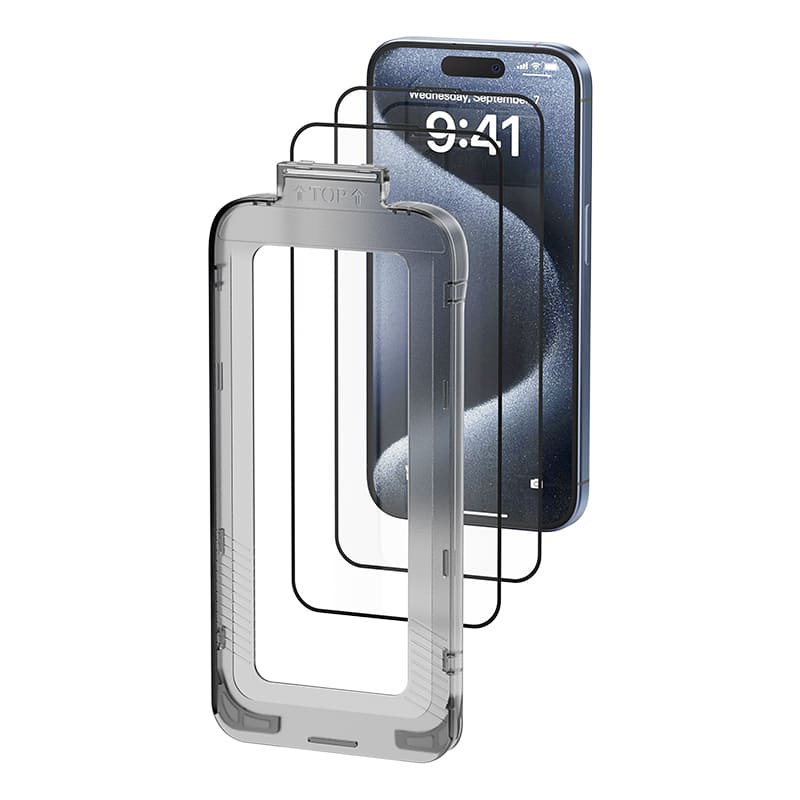
Top Reasons Why You Should Never Skip Phone Protection
In today's fast-paced digital world, our smartphones have become indispensable tools for communication, productivity, and entertainment. However, many users overlook the importance of phone protection, which can lead to costly repairs and replacements. Protecting your phone not only safeguards your investment but also ensures its longevity. Here are some top reasons why you should never skip phone protection:
- Prevents Damage: Phones can easily be damaged due to accidental drops or impacts. A good case or screen protector can absorb shock and prevent cracks.
- Cost Savings: Investing in protection upfront can save you significant money over time by avoiding expensive repair bills or the need to buy a new phone.
Moreover, phone protection enhances the functionality and usability of your device. Many protective cases are designed with additional features like waterproofing or extra battery power, making them not only a shield but also an enhancement for daily use. Not using phone protection can also negatively impact resale value; most buyers prefer devices that have been well-maintained and protected. In short, taking the time to implement phone protection strategies is essential for ensuring your smartphone's performance and durability.
Counter-Strike is a highly popular first-person shooter game that pits teams of terrorists against counter-terrorists in various scenarios. Players must work together to complete objectives, like defusing bombs or rescuing hostages, while honing their shooting and strategic skills. If you need to protect your gaming device, check out the Top 10 iphone clear cases that combine style and function.
The Hidden Costs of Repairing a No-Protection Phone
When it comes to smartphones, many users underestimate the hidden costs of repairing a no-protection phone. While it may seem economical to avoid purchasing screen protectors or phone cases, the reality is that repair expenses can add up quickly. For example, without proper protection, a single drop can lead to a cracked screen, which can cost anywhere from $100 to $300 to repair, depending on the model. Additionally, if the internal components are damaged due to exposure or impact, repairs can escalate to several hundred dollars more, leaving users with hefty bills that negate initial savings from avoiding protection accessories.
Furthermore, the long-term financial implications of not protecting your phone can be significant. Not only are repairs costly, but they can also affect the resale value of your device. Phones with visible damage or screen replacements typically sell for much less on the second-hand market. In fact, you could see a drop in value of 20% to 40% when attempting to resell or trade-in an unprotected phone with noticeable wear and tear. Ultimately, investing in protective gear is not just a matter of avoiding the immediate expenses of repairs; it’s a proactive approach to maintaining the value and functionality of your device in the long run.
Is Your Phone Insurance Really Worth It? Here's What You Need to Know
When considering whether phone insurance is really worth it, it's essential to examine the potential risks and costs involved with not having coverage. With smartphones being an integral part of our daily lives, they are also susceptible to damage, theft, or loss. A simple accident can lead to repair costs that may range from a few hundred to even a thousand dollars depending on the model. Thus, investing in phone insurance can provide a safety net, serving as a protective measure against these unforeseen expenses.
However, before jumping into a phone insurance plan, it’s crucial to assess your specific needs and the coverage options available. Not all insurance policies are created equal; some might have high deductibles, while others could offer limited coverage. Consider factors such as your phone’s value, your usage patterns, and the likelihood of damage. It's also beneficial to read reviews and understand the claims process, as a complicated or slow process can diminish the value of the insurance you’re paying for.