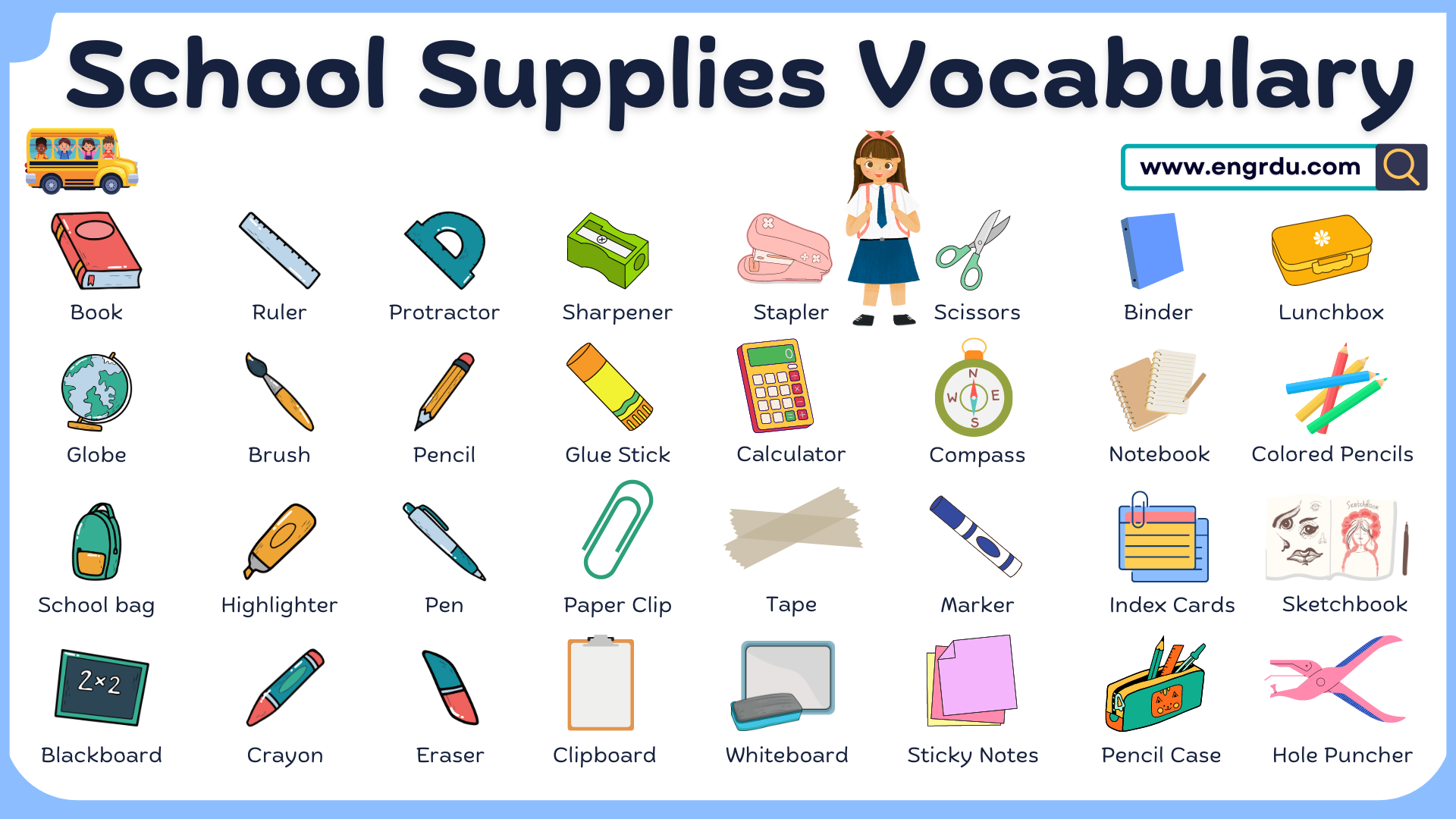
The Future of Learning: Top 5 Innovative School Supplies You Need to Know About
As we navigate the ever-evolving landscape of education, the future of learning is being transformed by innovative technologies and tools that enhance student engagement and efficacy. In this article, we will explore the top 5 innovative school supplies that are revolutionizing the classroom experience. These cutting-edge tools not only make learning more interactive but also cater to diverse learning styles, ensuring that every student has the opportunity to thrive in a dynamic environment. Stay ahead of the curve by incorporating these essential supplies into your educational toolkit.
1. Smart Pens: Combining traditional writing with digital technology, smart pens allow students to take handwritten notes that can be digitized and stored on various devices.
2. Interactive Whiteboards: These boards enable dynamic presentations and collaboration, allowing students to participate actively in lessons.
3. Augmented Reality (AR) Tools: AR provides immersive learning experiences, making complex subjects more tangible through visualization.
4. Noise-Canceling Headphones: Essential for maintaining focus in crowded classrooms, these headphones help students concentrate on their tasks.
5. 3D Printers: Fostering creativity and innovation, 3D printers allow students to turn their ideas into reality, promoting hands-on learning and problem-solving skills.
Counter-Strike is a popular multiplayer first-person shooter game that has evolved over the years, offering players an intense experience filled with strategy and teamwork. As players gear up for the school season, it's essential to stay equipped with the right technology. Check out the Top 10 Back to School Tech Accessories to enhance your gaming and study sessions. The competitive nature of Counter-Strike not only tests your shooting skills but also your ability to work effectively with your team.
How Eco-Friendly School Supplies Are Shaping the Classroom of Tomorrow
As educators and parents become increasingly aware of their environmental impact, eco-friendly school supplies are transforming the landscape of education. Schools are now prioritizing sustainable options in their supply lists, which include recycled paper, biodegradable pencils, and plant-based glues. These materials not only reduce waste but also promote a culture of sustainability among students. By integrating eco-friendly school supplies into the classroom, teachers are setting the stage for future generations to actively participate in preserving the planet.
Furthermore, adoption of eco-friendly school supplies often leads to innovative teaching methods. For instance, the use of digital tools reduces reliance on paper products, encouraging students to engage in more eco-conscious methods of learning. Schools can implement programs that educate students about the importance of environmental stewardship, transforming a simple supply list into an opportunity for meaningful discussion and growth. This shift not only helps the environment but also fosters a sense of responsibility among young learners, ultimately shaping the classroom of tomorrow.
Are Digital Tools the Future of Education? Exploring the Rise of Tech-Driven School Supplies
The integration of technology into education has led to a profound transformation in the way students learn. With the rise of digital tools, traditional school supplies are evolving into tech-driven alternatives that enhance engagement and facilitate a more interactive learning experience. From smartboards to educational apps, these tools are not only making lessons more dynamic but are also catering to diverse learning styles. As a result, more educators and institutions are recognizing the necessity of incorporating these innovative resources into their curricula, positioning them as essential components of modern education.
Furthermore, the accessibility of digital tools allows for personalized education tailored to individual student needs. With platforms that enable adaptive learning, teachers can monitor progress and provide targeted support, ensuring that no student is left behind. This shift towards a tech-driven approach not only prepares students for the demands of the future job market but also instills a sense of autonomy in their learning journey. As schools continue to embrace these advancements, the question remains: Are digital tools the future of education? The evidence suggests that they most certainly are.