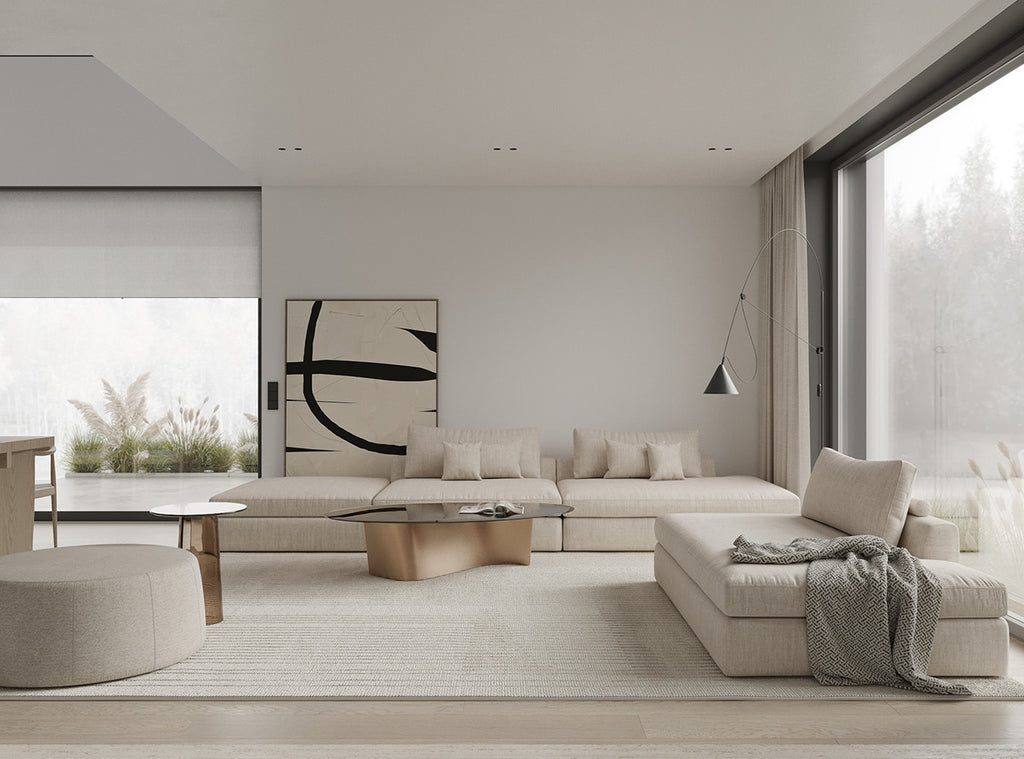
The Power of Less: How Minimalism Fuels Creative Thinking
The concept of minimalism has gained significant traction in recent years, particularly as we navigate a world filled with distractions and excess. Embracing the power of less allows individuals to strip away the non-essential, thereby creating space for enhanced focus and clarity. By prioritizing quality over quantity, minimalist practices foster an environment where creative thinking can thrive. Studies show that when we reduce clutter—both physical and mental—we open our minds to new ideas and innovative solutions. This shift towards minimalism encourages deeper engagement with our surroundings, enabling us to make meaningful connections and draw inspiration from the simplest of things.
Moreover, minimalism is not just about decluttering one's space; it is a holistic approach that extends into our daily routines and habits. By adopting a minimalist mindset, we learn to simplify our goals and tasks, making it easier to channel our energy into pursuits that genuinely matter. As a result, the fuel for creative thinking becomes more accessible. Consider integrating practices such as periodic digital detoxes, mindful consumption, and intentional living. These methods not only clear the noise but also equip us with the mental bandwidth to explore our creative potential. In essence, when we embrace the power of less, we unlock an abundance of room for inspiration and innovation.
Counter-Strike is a highly popular first-person shooter game that has defined competitive gaming. Players can choose to play as terrorists or counter-terrorists, engaging in various objectives like bomb defusal and hostage rescue. For those looking to enhance their gaming setup, consider checking out the Top 10 iphone wallet cases that are perfect for gamers on the go.
Decluttering Your Mind: Tips to Unlock Creative Potential
In the fast-paced world we live in, decluttering your mind is essential to unlock your creative potential. A cluttered mind can feel overwhelming, making it difficult to concentrate and think clearly. One effective way to start is by setting aside a few minutes each day for mindfulness practices such as meditation or deep breathing. These techniques allow you to clear away mental distractions and create a focused space for creativity to flourish. Additionally, consider maintaining a journal to jot down thoughts, ideas, or random musings, which can help you process emotions and clear mental fog.
Another practical approach to declutter your mind is to implement the two-minute rule in your daily life. This rule states that if a task can be completed in two minutes or less, do it immediately. By tackling these small tasks right away, you prevent a backlog of mental clutter. Furthermore, establishing a regular routine helps reinforce a sense of order and predictability, allowing your mind to focus on more important creative endeavors. Remember, less mental clutter equates to more room for innovation and fresh ideas!
Can Minimalism Enhance Your Creative Process? Exploring the Connection
Minimalism is often associated with decluttering physical spaces, but its influence can extend deeply into the realm of creativity. When artists and creators embrace a minimalist lifestyle, they often find that it helps to clear mental distractions and emotional baggage, making room for fresh ideas and insights. By prioritizing simplicity and purpose, individuals can focus on the essential aspects of their creative process, leading to a more profound exploration of their craft. This intentional avoidance of excess allows for deeper connections with materials, concepts, and ultimately, the resulting work itself.
Moreover, minimalism encourages a mindset of reflection and intentionality, which can significantly enhance creativity. By reducing noise—both physical and mental—creators are able to cultivate a space where inspiration can flourish. This connection between minimalism and creativity is particularly evident in various artistic disciplines, from design to writing. For instance, writers who adopt a minimalistic approach often find that their prose becomes more impactful and resonant as they strip away unnecessary complexity. Ultimately, the synergy between minimalism and creative processes invites individuals to explore their art in a more meaningful and focused way.