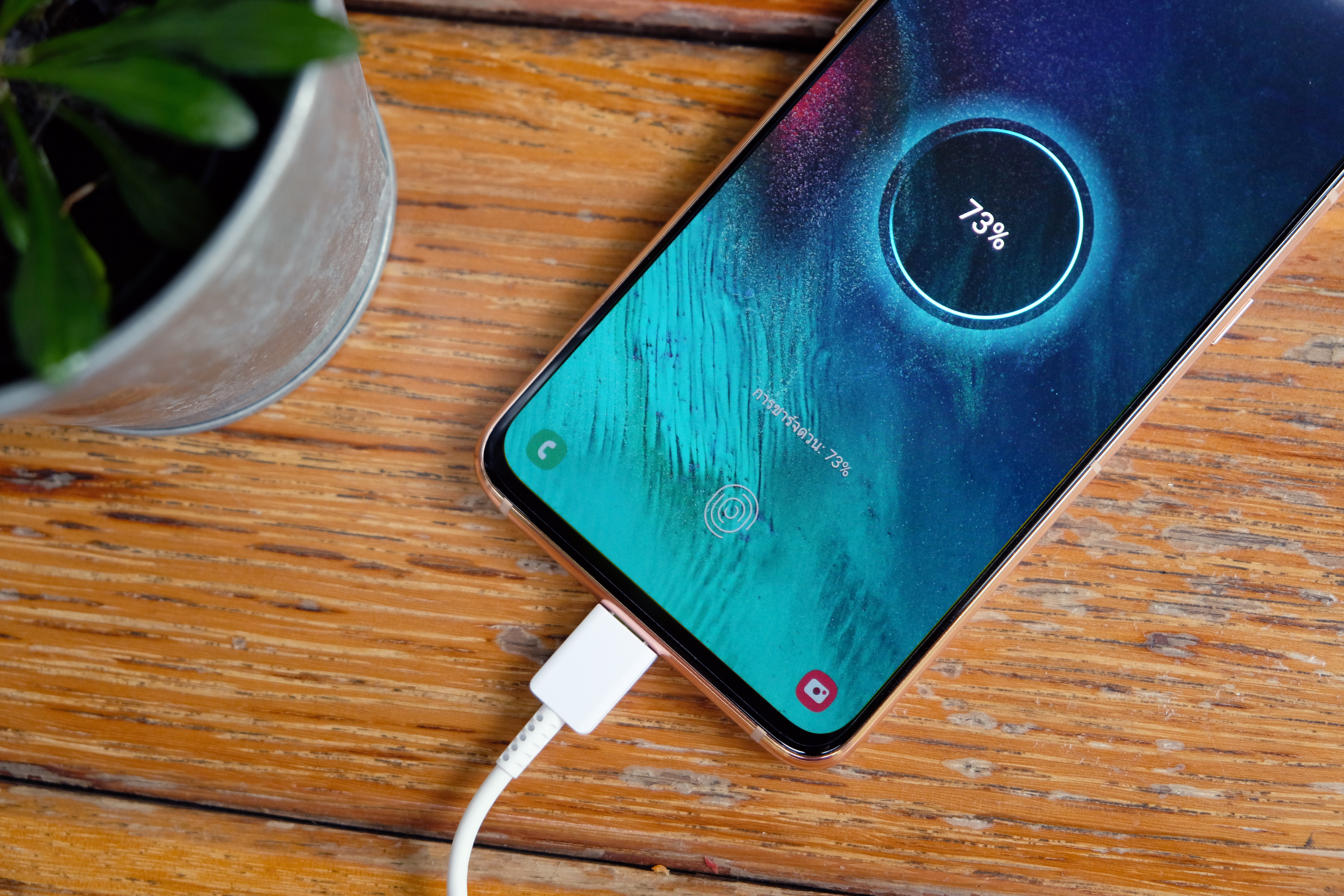
The Science Behind Fast Charging: How It Works
Fast charging is a modern marvel that has transformed the way we power our devices. At its core, the science behind fast charging revolves around two key principles: voltage and amperage. Traditional chargers typically supply a consistent voltage, while fast chargers employ higher voltages and greater amperage to transfer more energy in a shorter time. This process is facilitated by advanced charging technologies such as Qualcomm's Quick Charge and USB Power Delivery, which intelligently communicate with the device to optimize the charging rate. As a result, devices can achieve up to 80% charge in just 30 minutes, a significant improvement over standard charging methods.
However, the effectiveness of fast charging also depends on the battery chemistry and heat management. Lithium-ion batteries, the most common type used in smartphones and electronics, are designed to handle increased voltage, but excessive heat can lead to degradation and potential damage. Advanced fast charging protocols monitor temperature and adjust the charging speed accordingly to ensure safety and longevity. This intricate balance between speed and safety is what makes fast charging a groundbreaking technology that caters to our rapidly evolving digital lifestyles.
Counter-Strike is a popular first-person shooter game that emphasizes team-based gameplay and strategy. Players can choose to play as terrorists or counter-terrorists, each with unique objectives. For those looking to enhance their gaming experience, having the right equipment is essential. Check out the Top 10 iPhone car chargers to ensure your devices stay charged during long gaming sessions.
Fast Charging vs. Standard Charging: What's the Difference?
Fast charging and standard charging are two distinct methods of replenishing your device's battery, each with its own advantages and drawbacks. Fast charging utilizes higher voltage and current levels to deliver power to your device more quickly. This method can reduce charging time significantly, often allowing you to reach up to 50% battery in just 30 minutes, depending on the charger and device compatibility. On the other hand, standard charging typically adheres to the basic charging rates outlined by the USB specifications, leading to longer charging durations. For users who are always on the go, fast charging can be a game changer, streamlining the daily routine by reducing downtime.
However, it's essential to consider the impact of fast charging on battery health. While this technology provides convenience, consistently using fast chargers may lead to increased wear on the battery over time. In contrast, standard charging is gentler on battery life, as it operates within lower voltage limits, promoting longer lifespan. Ultimately, the choice between fast charging and standard charging depends on individual needs—if speed is your primary concern, fast charging is ideal; if longevity and battery health are paramount, standard charging might be the better route.
Is Fast Charging Safe for Your Devices?
Fast charging has become an essential feature for many modern devices, allowing users to power up their gadgets in a matter of minutes instead of hours. However, the question remains: is fast charging safe for your devices? In general, reputable manufacturers design their fast charging technologies to be safe, incorporating mechanisms to prevent overheating and overcharging. These systems often include smart charging chips that regulate the flow of electricity to ensure your device receives an optimal and safe charge. Despite this, it's crucial to use the correct charger and cable that are compatible with your device to avoid potential risks.
While fast charging can be highly beneficial, some users worry about its long-term effects on battery health. Frequent use of fast charging may lead to increased heat generation, which is a well-known enemy of battery longevity. However, modern devices are engineered to handle this heat more effectively than older models. To maximize safety and battery life, consider the following tips:
- Always use the manufacturer-recommended charger and cable.
- Avoid charging in hot environments.
- Monitor your device's temperature while charging.